

Corporate catering: The ultimate guide for modern companies
Company catering has long been more than a canteen or snack vending machine. Today, modern companies use employee catering and gastronomic offerings specifically as a strategic tool for employer attractiveness, productivity and active corporate culture. At the same time, the demand for flexibility, quality and individualization is growing — because employees expect more than standard food.
Whether it's daily employee catering, lunch offerings in the office, catering for meetings and conferences or professional catering for corporate events: Company catering comprises many areas that must be coordinated and professionally organized. If you do this well, you will win more loyal employees, more productive teams and a stronger employer image.
In this comprehensive guide, we show how modern corporate catering works, which concepts have proven effective in practice, what costs companies should realistically expect and why flexible catering marketplaces represent the most efficient solution for more and more companies.
1. What corporate catering means today
In the past, company catering usually consisted of a fixed canteen with standardized menus, limited selection and little variety. Those days are gone. Today, employees expect significantly more choice, higher quality and, above all, flexibility that adapts to different work models and dietary habits.
Modern company catering includes a wide range of types of catering: daily employee catering with changing lunch offerings, professional Office catering for everyday office life, meeting and conference catering with finger food or Business lunch, catering for corporate events such as Summer festivals or Christmas parties as well as well-thought-out snack and Beverage concepts.
Companies are increasingly relying on external partners, as internal catering with their own kitchen and permanent staff causes high fixed costs and leaves little room for adjustments.
2. Why corporate catering is becoming increasingly important for companies
Good employee catering has a direct and measurable effect on job satisfaction and productivity. What ends up on the plate not only influences the energy in the afternoon, but also the emotional connection with the company.
Studies show that high-quality catering offers sustainably strengthen employee loyalty and reduce willingness to change. Balanced meals have been shown to reduce sick leave and increase the ability to concentrate. An attractive catering concept increases employer attractiveness — a factor that is becoming increasingly visible in job advertisements and review portals. And last but not least, joint lunch breaks promote team communication across departmental boundaries.
Corporate catering is playing an increasingly important role, particularly in the competition for skilled workers. Companies that invest here position themselves as modern, employee-oriented employers.
3. Comparing classic corporate catering models
There are three basic approaches to how companies can organise their corporate catering. Everyone has specific strengths and weaknesses.
Own business with internal canteen
When operating on its own, the company itself operates a canteen or kitchen with permanent staff. This model offers full control over what's on offer and allows you to personalize meal plans. However, the investment costs for kitchen, equipment and staff are considerable. Ongoing personnel costs are high and flexibility remains limited when the number of employees fluctuates. For companies with less than 200 employees, this model is rarely economical.
Outsourcing to a permanent catering service provider
Many companies outsource their entire company catering to a single external caterer. This significantly reduces fixed costs and provides professional organization and scalable solutions. The downside: There is a dependency on a single provider, the selection can become monotonous over time and price negotiations are more difficult when there is no competition.
Flexible marketplace solutions for corporate catering
More and more companies are using catering marketplaces to flexibly combine different providers. This model offers a wide selection of certified caterers, flexible adjustment to actual needs, transparent prices through natural competition and easy organization via a central platform. This model is particularly attractive for medium-sized companies that do not operate their own canteen.
4. Corporate catering in everyday working life: The employee lunch
Lunch offerings are at the heart of modern corporate catering. A good lunch in the office saves employees time, promotes community and improves performance in the afternoon.
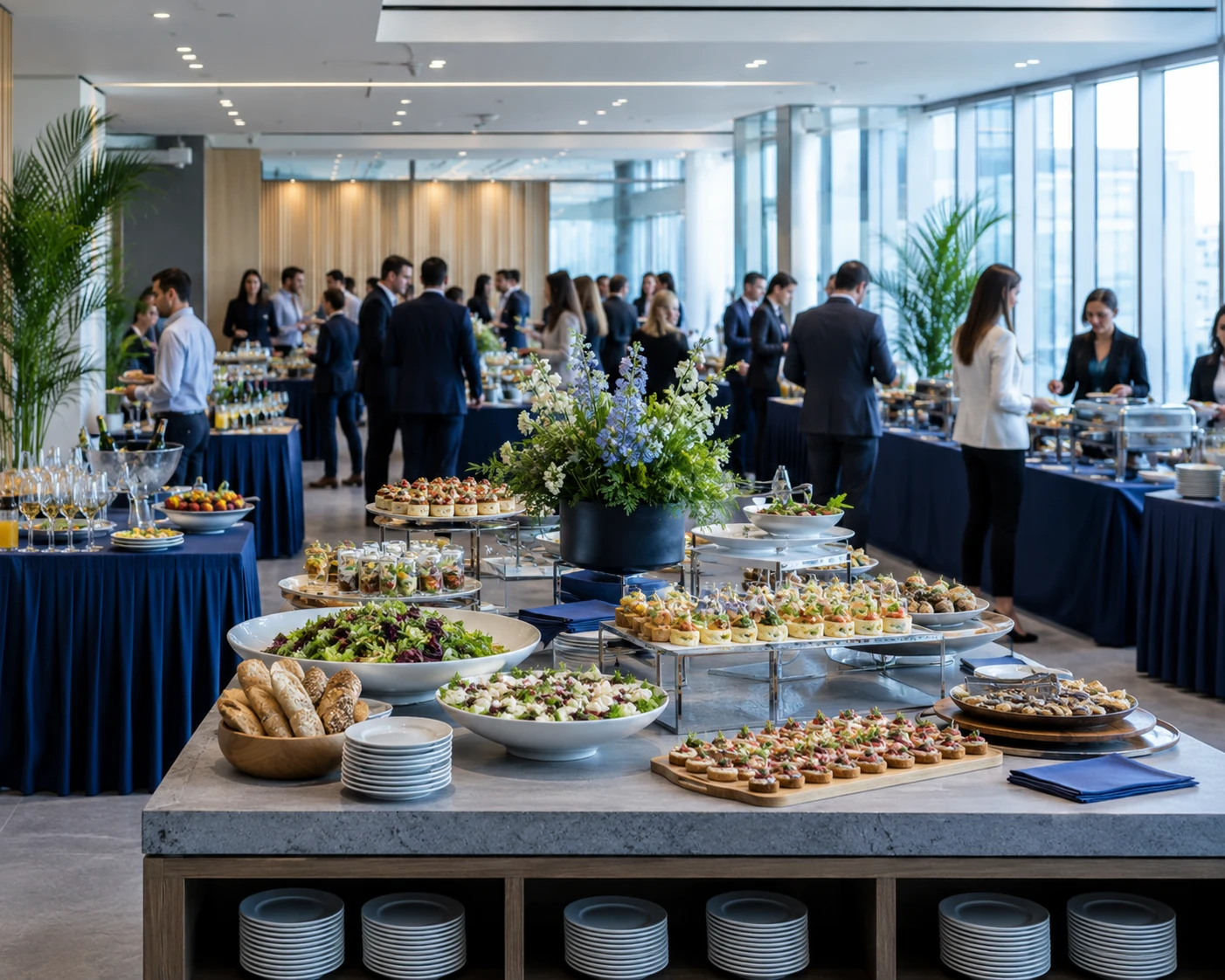
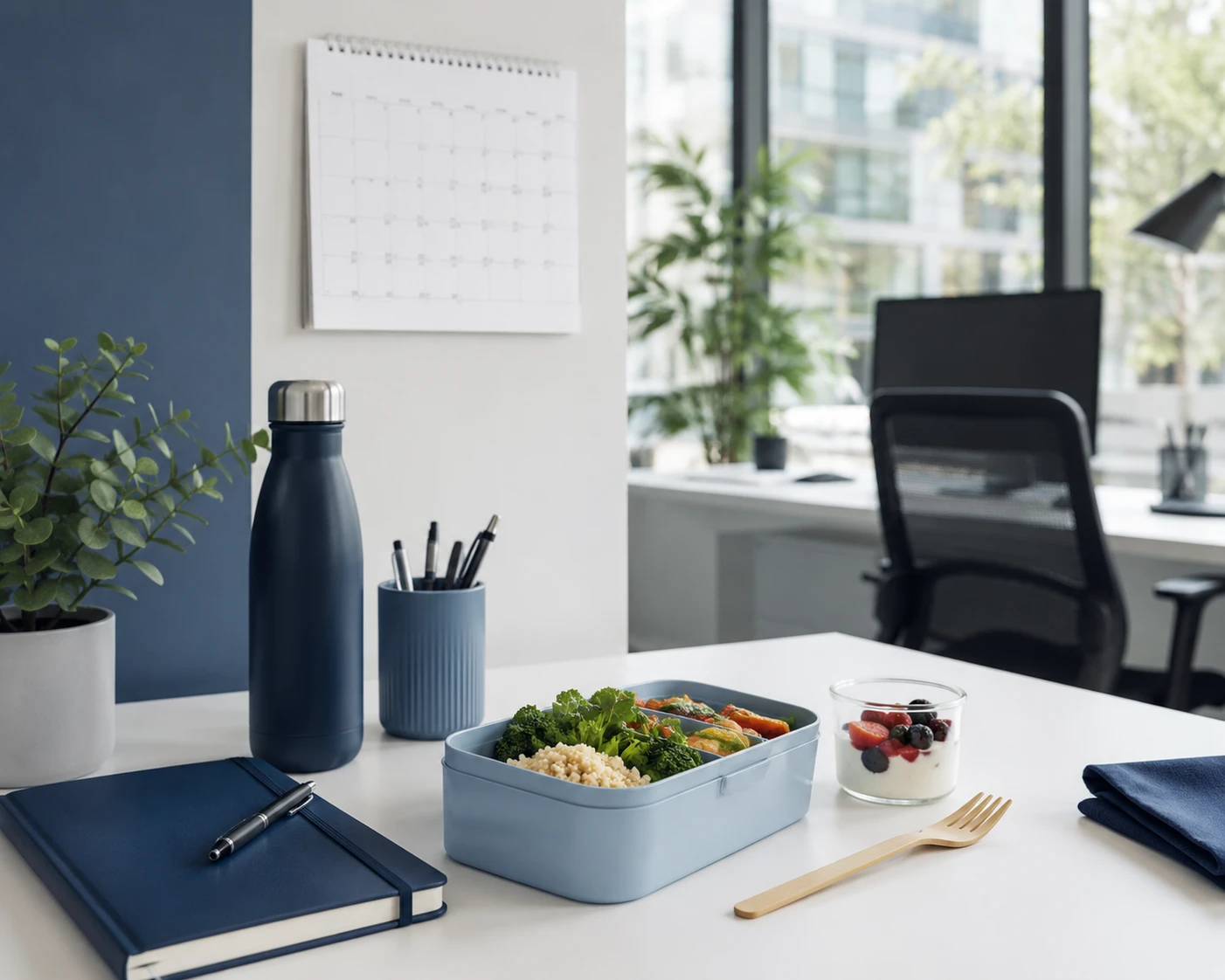
Proven concepts include daily buffet catering with changing themes, deliveries from changing restaurants and caterers, healthy bowls and modern lunch offerings as well as extensive vegetarian and vegan options. Even regular Brunch deals On certain days of the week, companies are becoming increasingly popular.
Many companies subsidize their employees' meals in order to provide a high-quality offer and at the same time take advantage of the tax-advantageous benefits in kind.
Plan company catering efficiently
- Increase employee satisfaction
- Take advantage of tax benefits
- Find suitable catering models

5. Organize meeting and conference catering professionally
In addition to daily food, catering plays a central role in meetings, workshops and conferences for the professional impression and concentration of participants.
Typical meeting catering formats range from breakfast catering for morning workshops to finger food catering for bar table meetings and Business lunch for all-day events up to Beverage catering with coffee, juices and refreshments.
Professional meeting catering signals appreciation for customers and business partners and ensures that energy does not run out during long meetings. The investment pays off directly through more productive meetings.
6. Company catering for corporate events
Many companies also use gastronomic offerings for larger events, where catering plays an even more central role than in day-to-day business.
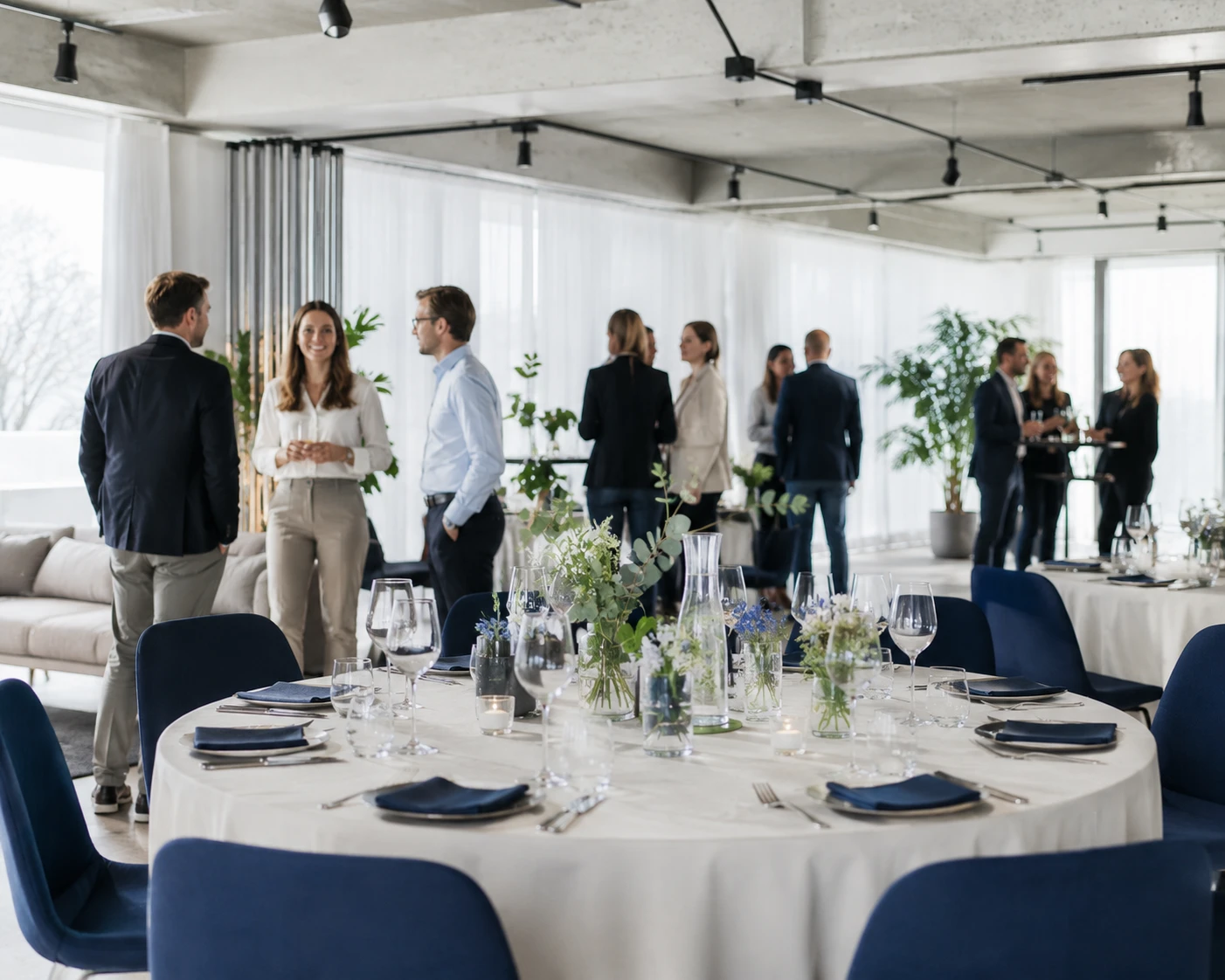
Typical occasions are Summer festivals with BBQ stations in the open air, Christmas parties with a festive menu or buffet, customer events and receptions with high-quality Event catering as well as team events and department parties.
Here, company catering often overlaps with corporate catering. The advantage of a marketplace: For everyday office life and for events, companies can choose the specialized providers that are best suited to the respective occasion.
7. What modern employees expect from catering
Expectations for corporate catering have changed fundamentally in recent years. Today's employees want a healthy, varied diet that provides energy instead of tiring. Vegetarian and vegan options are no longer a niche, but are actively sought after by a growing proportion of the workforce.
Sustainability plays an equally important role: Regional ingredients, reduced food waste and reusable packaging are increasingly expected. In addition, there is the desire for varied cuisine from different cultures and flexible meal times that adapt to different work rhythms.
Companies that take these expectations seriously and incorporate them into their company catering benefit from higher employee satisfaction and lower turnover.
8. Cost structure of modern corporate catering
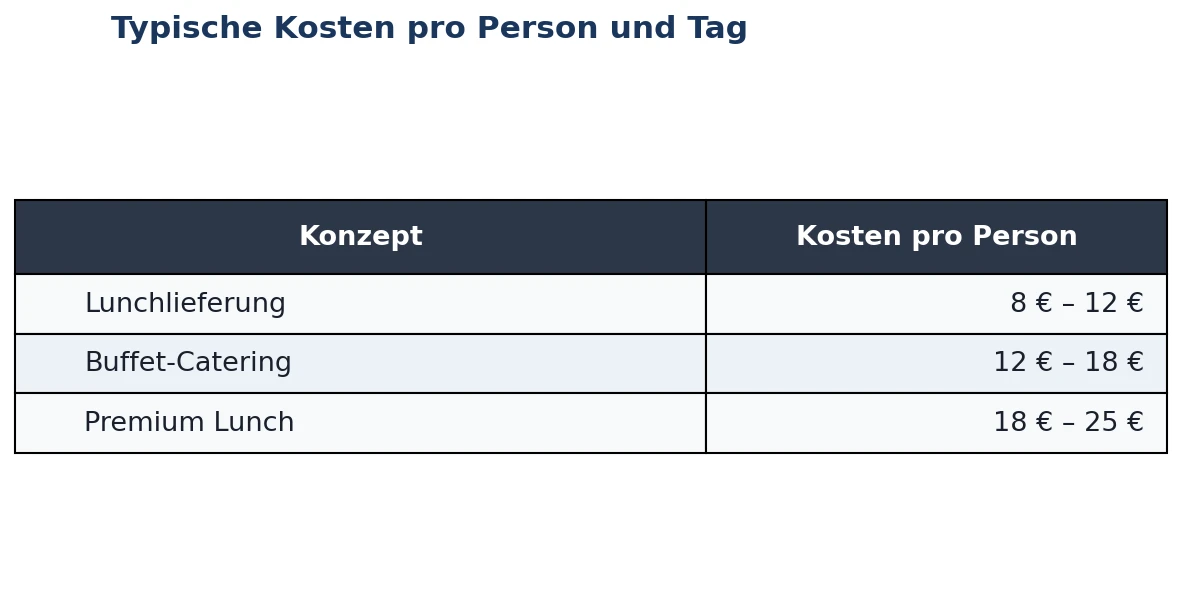
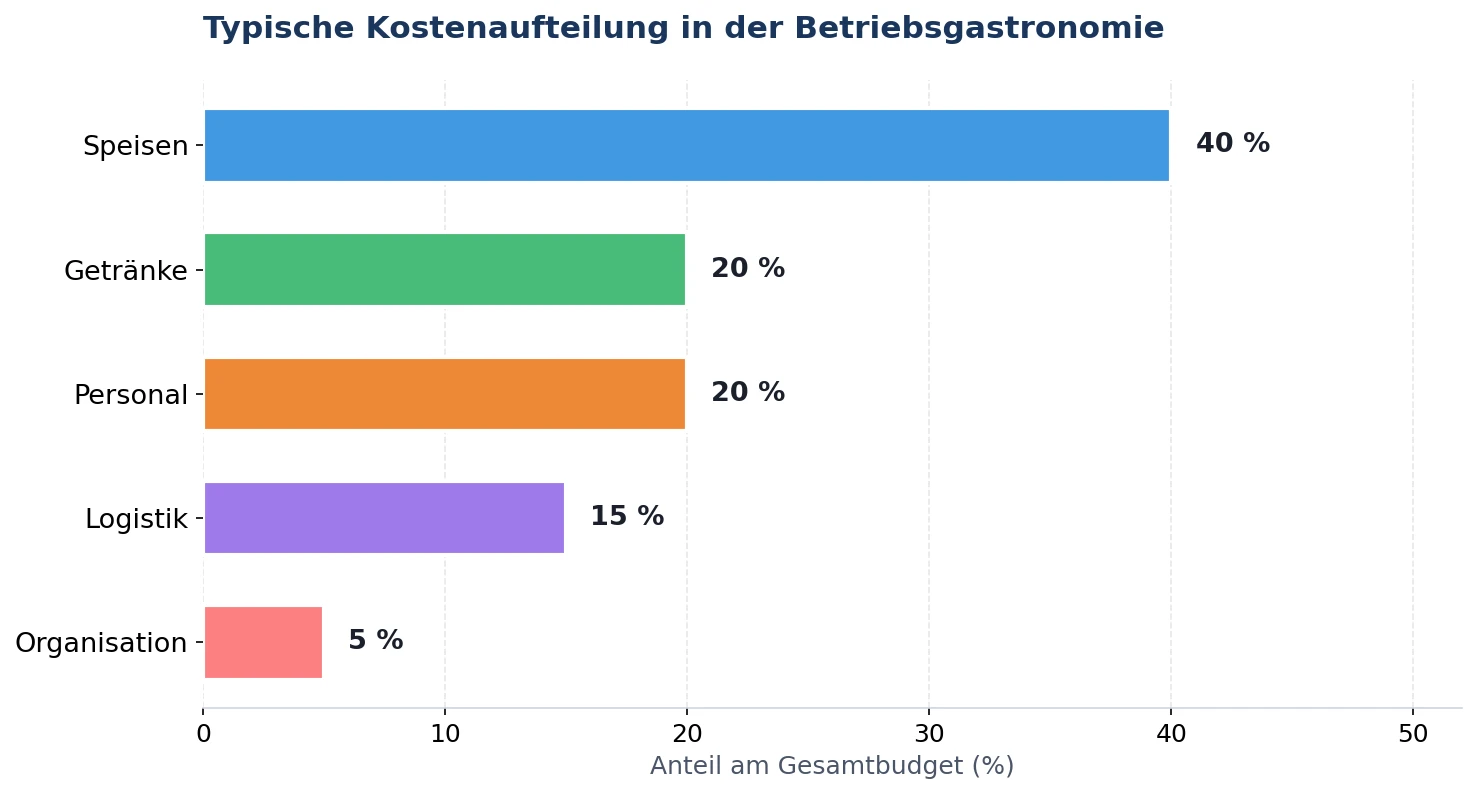
The costs for company catering depend heavily on the chosen concept, the size of the company and the quality standards. A realistic assessment helps with budget planning.
9. Cost example: company catering for 100 employees
To make the costs tangible, two practical examples show what budget companies can expect with 100 employees and 20 working days per month.
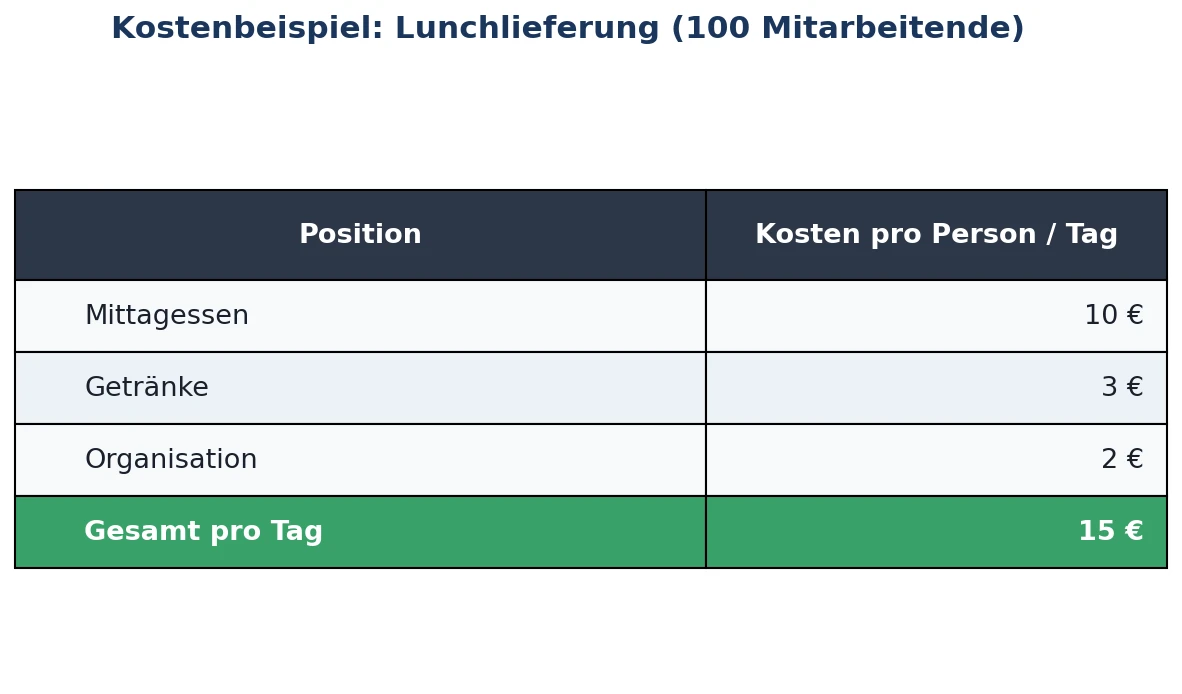
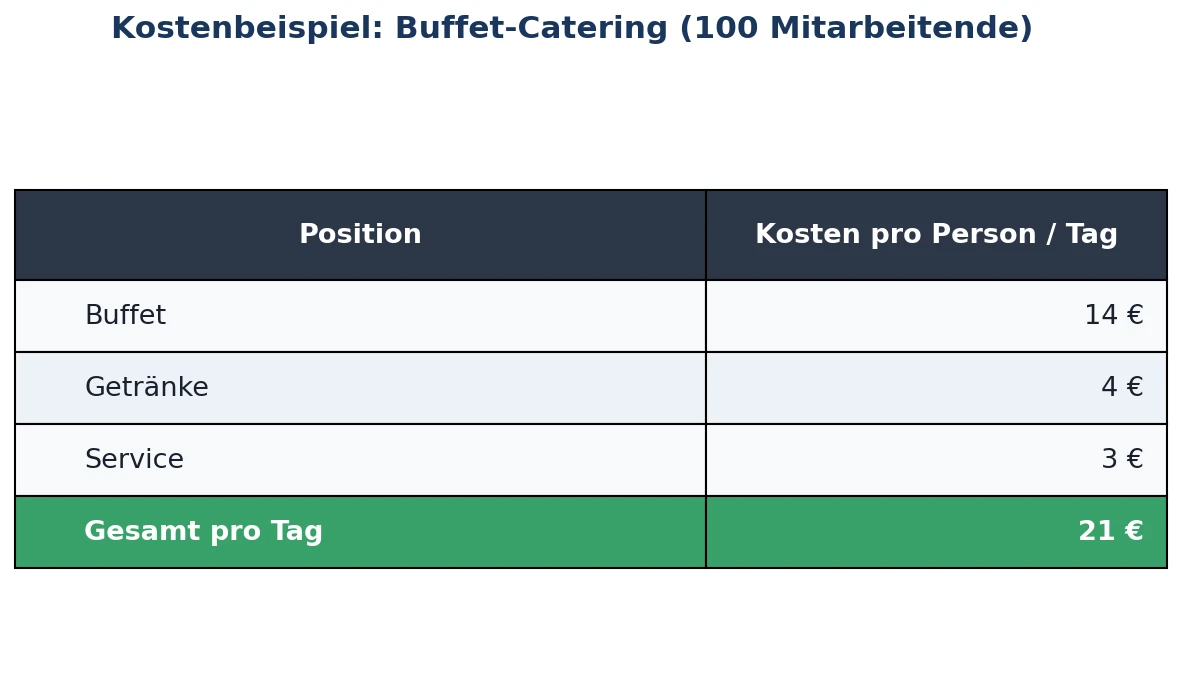
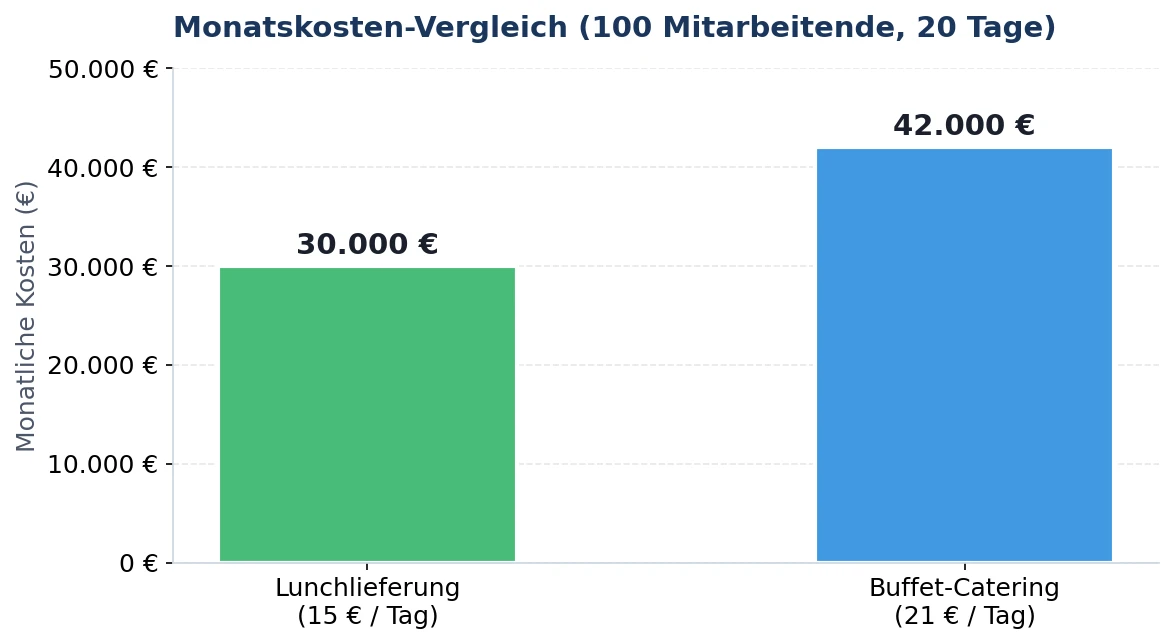
The difference of around 12,000 euros per month shows how strongly the chosen concept influences overall costs. Many companies find a middle ground by varying formats on weekdays.
The right catering solutions for your team
- Offers by team size & budget
- Regular delivery & catering options
- Flexible between buffet, finger food & lunch box
10. Common challenges and how companies solve them
Many companies face similar problems when it comes to corporate catering. Fluctuating employee numbers — reinforced by home office days and hybrid work models — make quantity planning difficult. Different food requirements and diets, such as vegan, gluten-free or halal, must be met at the same time. The organizational effort for orders, reconciliations and billing ties up internal resources. And a lack of transparency in costs means that budgets are difficult to control.
Flexible catering solutions via marketplaces address exactly these challenges: Order quantities can be adjusted at short notice, different caterers cover different types of diet, and the central platform bundles organization and billing.
11. Practical example: Flexible company catering on a weekly basis
A medium-sized company with 150 employees shows how an intelligent mix of different catering formats works in practice.
From Monday to Thursday, employees receive daily lunch delivery with changing vendors and kitchen styles. On Friday, there is joint buffet catering, which serves as a social end to the week and promotes team cohesion. Arrives once a month Event catering for team events, birthday parties or small company parties.
This combination enables a high level of satisfaction while keeping costs under control. The variety prevents monotony, and the weekly buffet Friday quickly becomes a fixed ritual that the staff is looking forward to.
12. Digitalization and future trends
Digital solutions make planning and organization of corporate catering significantly easier. Modern platforms offer central order management with just a few clicks, transparent budget control in real time, evaluation of food preferences for better offers, and automated invoicing and reporting.
In the future, personalized menu offerings based on individual preferences, hybrid catering concepts for office and home office, sustainable catering solutions with a measurable CO2 footprint and the integration of food tech platforms into existing HR systems will continue to shape the industry.
13. Checklist: Successfully introduce corporate catering
planning
- [] Analyze the needs and eating habits of employees
- [] Define and approve available budget
- [] Evaluate and select suitable catering concepts
transposition
- [] Select catering partners and arrange a test phase
- [] Define order processes and contact persons
- [] Start internal communication about the new offer
Continuous optimization
- [] Regularly obtain feedback from employees
- [] Adjust the offer based on feedback
- [] Analyze costs on a quarterly basis and review budgets
14. Frequently asked questions about company catering
How much does company catering cost per employee?
Depending on the concept, between 8 and 25 euros per person and day. A simple lunch delivery costs 10 to 15 euros, a premium offer with buffet and service is 18 to 25 euros.
From how many employees is company catering worthwhile?
External catering solutions and marketplaces work economically for as little as 10 to 15 people. Having your own canteen is usually only worthwhile if you have 200 employees or more.
How can company catering be used for tax purposes?
Employers can subsidize meals up to the benefit in kind with tax relief. The exact regulations should be coordinated with a tax advisor.
Which form of catering is suitable for hybrid teams?
Flexible lunch deliveries, which can be ordered by the day, are the best fit for companies with changing office attendance rates.
15. Conclusion: Corporate catering as a strategic success factor
Modern corporate catering is much more than just a nice additional offer — it is a strategic part of a successful corporate culture. Flexible solutions enable companies of all sizes to provide their employees with high-quality food every day and at the same time professionally cover meetings, conferences and corporate events with culinary delights.
Catering marketplaces offer a particularly efficient way to combine different providers, kitchen styles and concepts as needed. Companies benefit from maximum choice, transparent costs and organizational relief — and at the same time create a working environment in which employees feel valued and well cared for.